Promoting Skills through Quality Apprenticeships with Employers and Business Organizations
In partnership with the International Organisation of Employers (IOE) and with the support of the European Union (EU), GAN Global led several activities and projects to provide capacity building for employer and business organizations in promoting skills through Quality Apprenticeships. The work combined high-level convenings, workshops, policy briefings, country and employer case studies, and an online celebration to offer employers the knowledge needed to navigate fast changing economies and promote inclusive skills development.

Timeline
2024-2025
Countries involved

India
Partners & funders
IOE
Partner
ILO Global Business and Disability Network (GBDN)
Partner
EFI (Employers Federation of India)
Partner
The Confederation of Indian Industry (CII)
Partner
European Union (EU)
Donor
The challenge
In South Asia, despite the burgeoning growth of the region’s manufacturing sectors, there’s a mismatch between the demand for high-level skills and an oversupply of lower-level skills, calling for better alignment between industry and education through work-based learning. Challenges persist, such as complex legal frameworks, the informal economy, and barriers to environmental sustainability and technological adaptation. Another challenge for employers in general is inclusion and identifying the support needed for people with disabilities when accessing training programs and jobs.
What we did
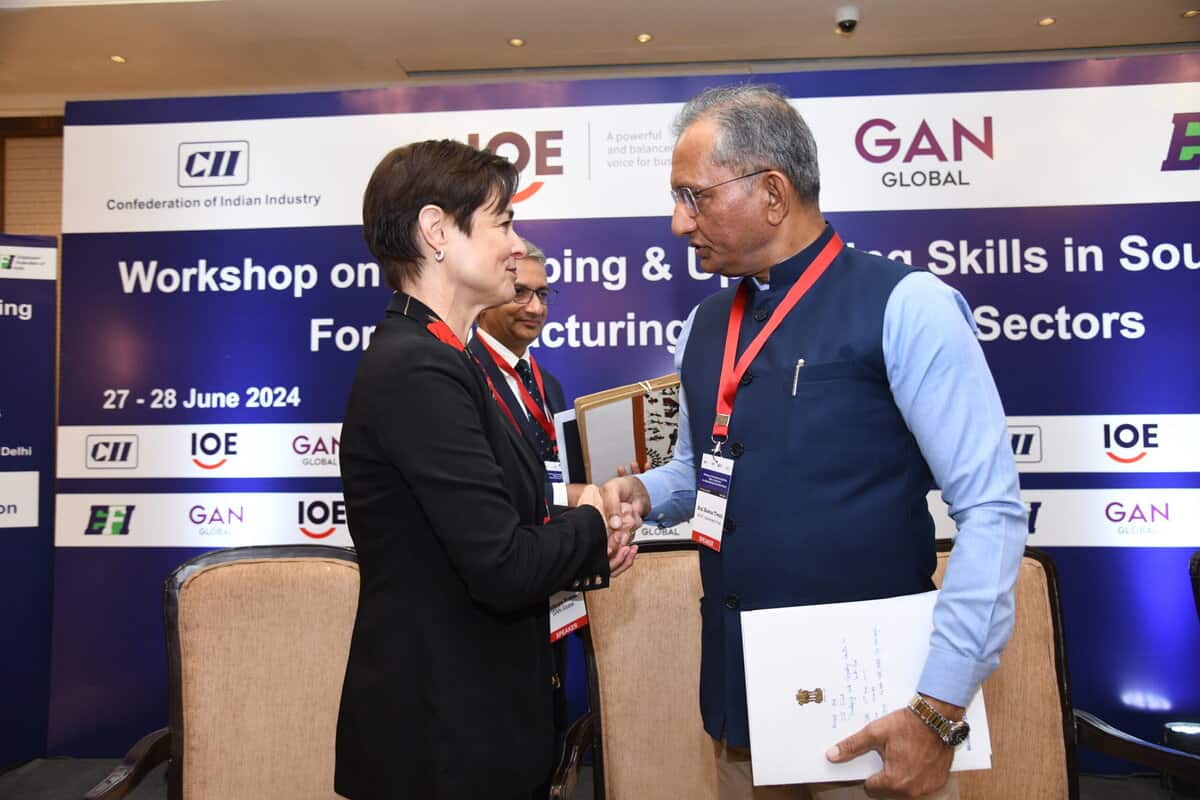
In 2024, we led several capacity building activities for employer organizations on the topics of upgrading skills in the manufacturing sector and inclusive apprenticeship and work-based learning programs. The activities brought together over 45 participants from South Asian countries, the Caribbean, and East Africa to New Delhi to share challenges and solutions in adapting apprenticeship programs to their respective national contexts. In partnership with the IOE, we produced a policy report on the challenges faced by the manufacturing sector in South Asia for employers and business organizations. We surveyed members on best practices and strategies to improve apprenticeship uptake, especially in boosting inclusion, and provided recommendations for employers and policymakers. We finalized the project with a webinar and factsheet focused on Inclusive Apprenticeships, providing practical guidance for companies on inclusive hiring practices, mentorship programs, and accessibility measures.
Outcomes
The project positioned employers and private sector companies as crucial stakeholders in upgrading skills in fast-moving economies and raised awareness on training and hiring persons with disabilities. It also empowered participants with tools for lobbying governments and companies to invest in apprenticeships and work-based learning as a solution to social and economic inclusion.
Evidence & Outputs
Webinar
Talent with Disabilities: Bridging the Skills Gap Through Inclusive Apprenticeships and WBL
Policy Review
Strengthening Skills Development in South Asia’s Manufacturing and Industrial Sectors
Factsheet for Employers
Closing the Skills Gaps: Inclusive Apprenticeships and Work-Based Learning

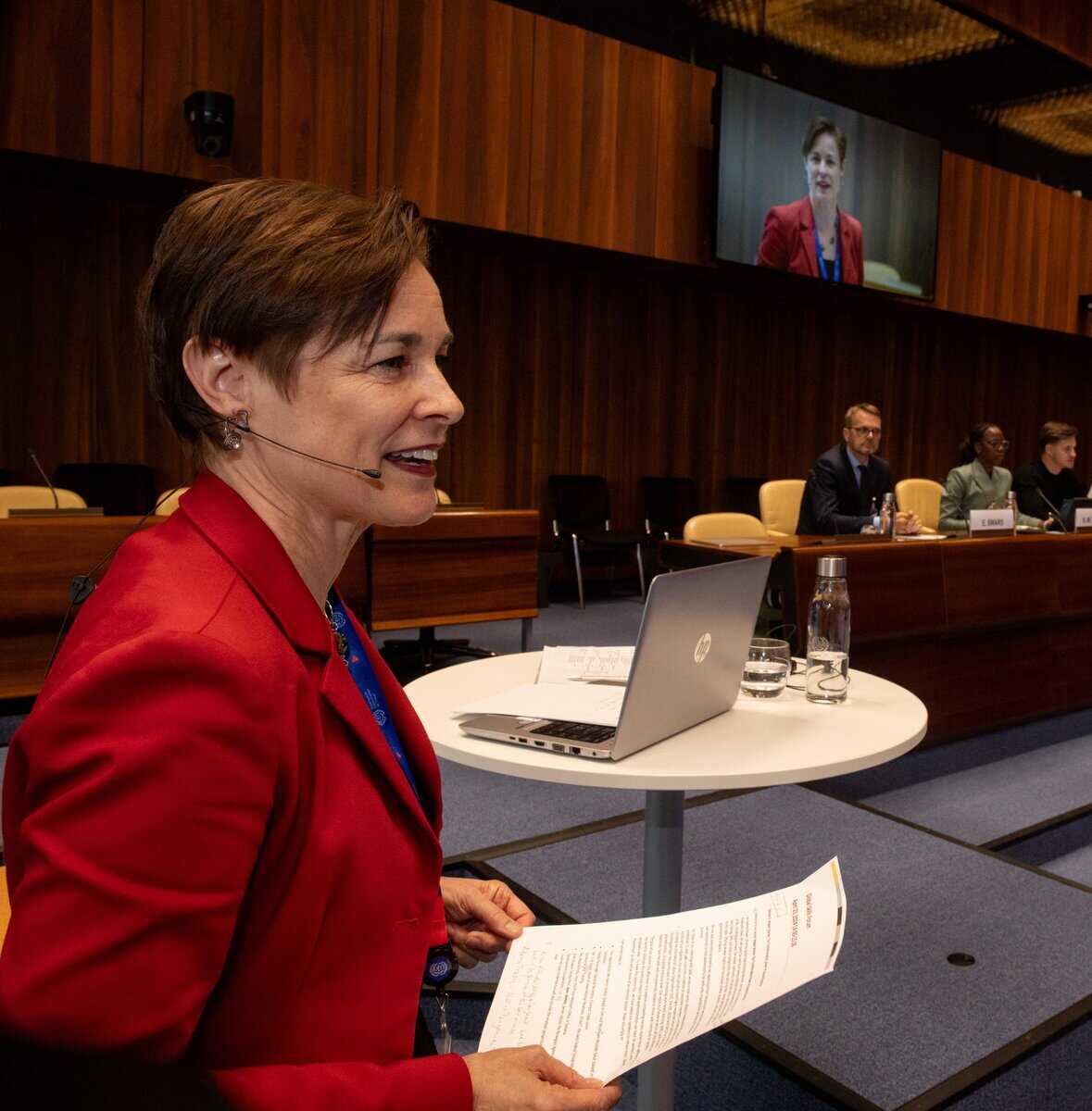
At GAN Global, we’re proud partner with partners such as the IOE and ILO GBDN to recognize the benefits of including persons with disabilities in the world of work, particularly through adapting work-based learning and apprenticeship programs.
Kathryn Rowan
Executive Director, GAN Global
46% of our team at ACS identifies as having a disability. What’s remarkable is that we have a 20% higher retention rate amongst those who have a disability. And for those employees who have stayed with the company over 5 year, 60% of them have a disability, so we see the ROI of engaging, training and hiring people with disabilities and we encourage other companies to do so, in our line of work, in construction and other sectors as well.

Nicholas Morgan
President, ACS (Adaptive Construction Solutions) and GAN Global Board Member
Our goal was to bring stakeholders together to collaborate on issues and find solutions to adapt vocational training, work-based learning, lifelong learning, and skills development initiatives to the evolving labour market in the manufacturing and industrial sectors. Here in this room, we have employers and business organisations, manufacturers in the industrial sector, investors, TVET institutions, and representatives from government agencies such as Ministries of Employment, Education, and Youth in South Asia and beyond.
Kathryn Rowan
Executive Director, GAN Global
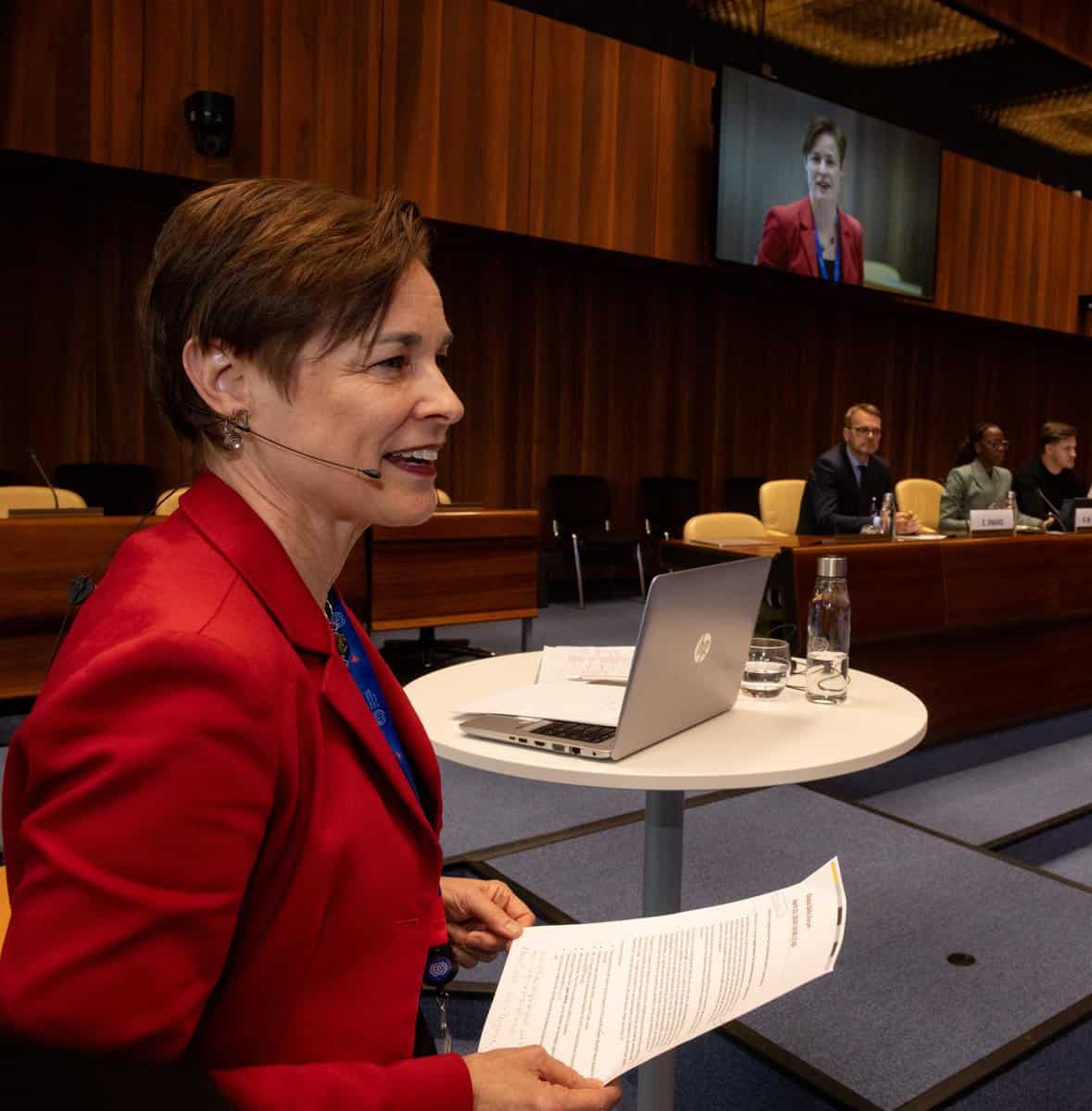
I am proud of everything the GAN has accomplished since its creation. I still remember being there more than 10 years ago, working with the GAN in its early days, and it has been inspiring to see how much it has grown and evolved over time.
Apprenticeships and skills development matter more than ever, and GAN’s role remains truly impactful. You can count on IOE to continue supporting this important mission.

Chiara Cirelli
Head of Capacity Building, International Organisation of Employers (IOE)