
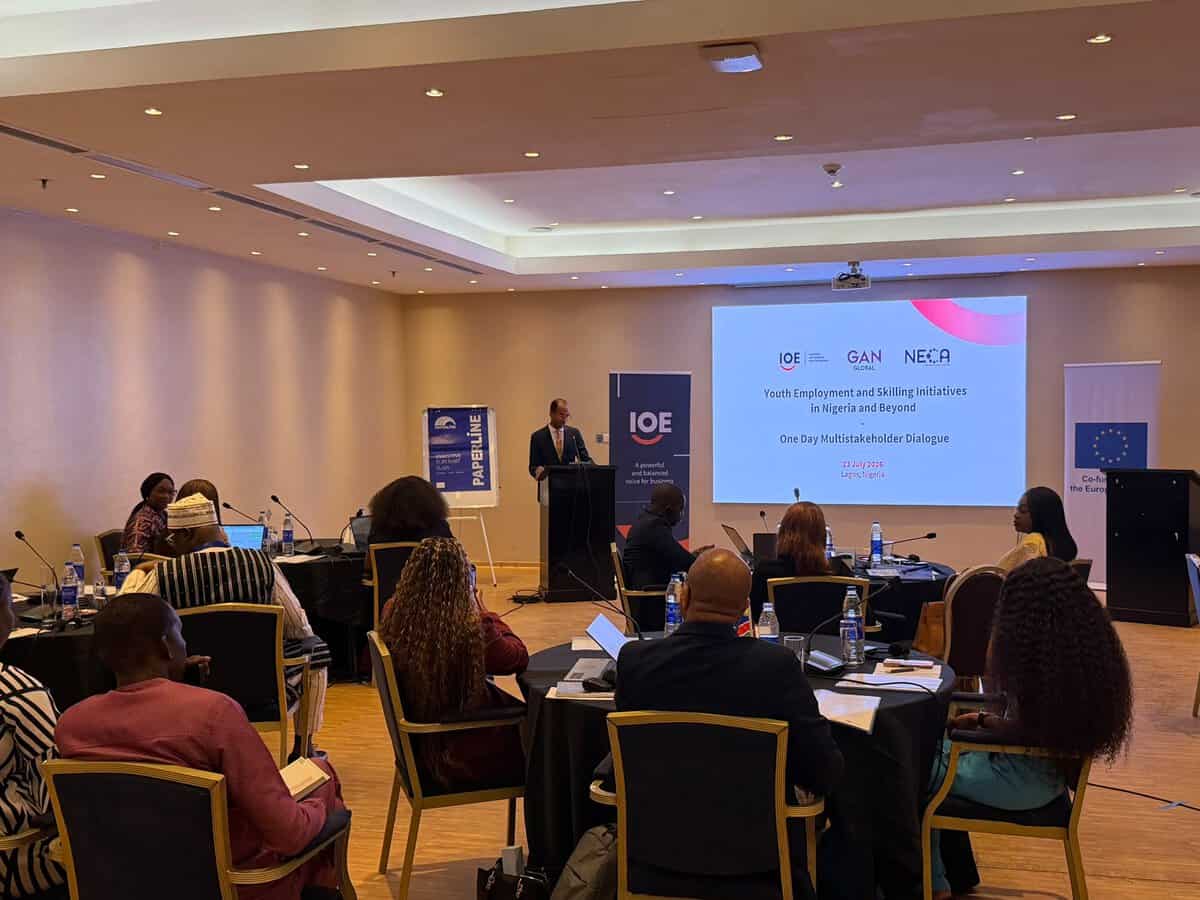
Youth Employment and Skilling Initiatives in Nigeria and Beyond
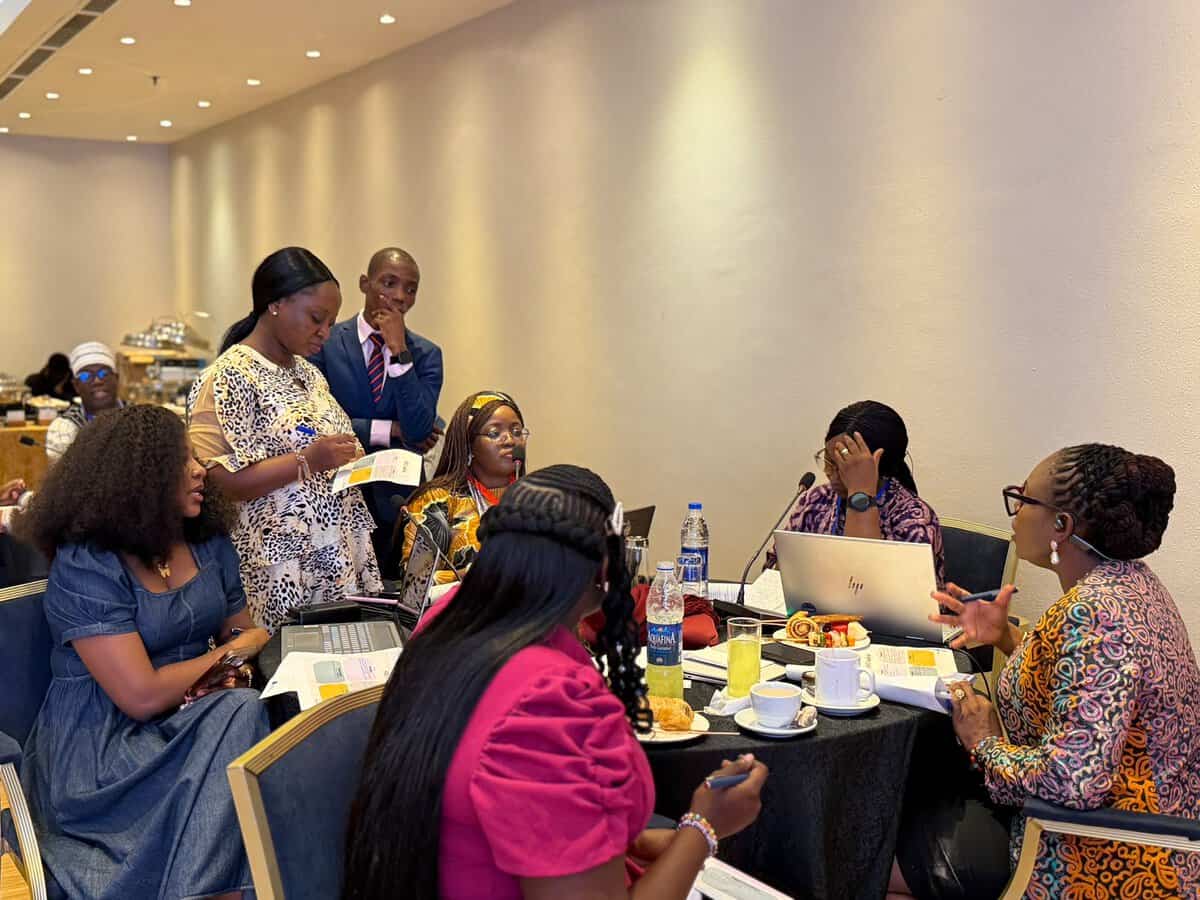
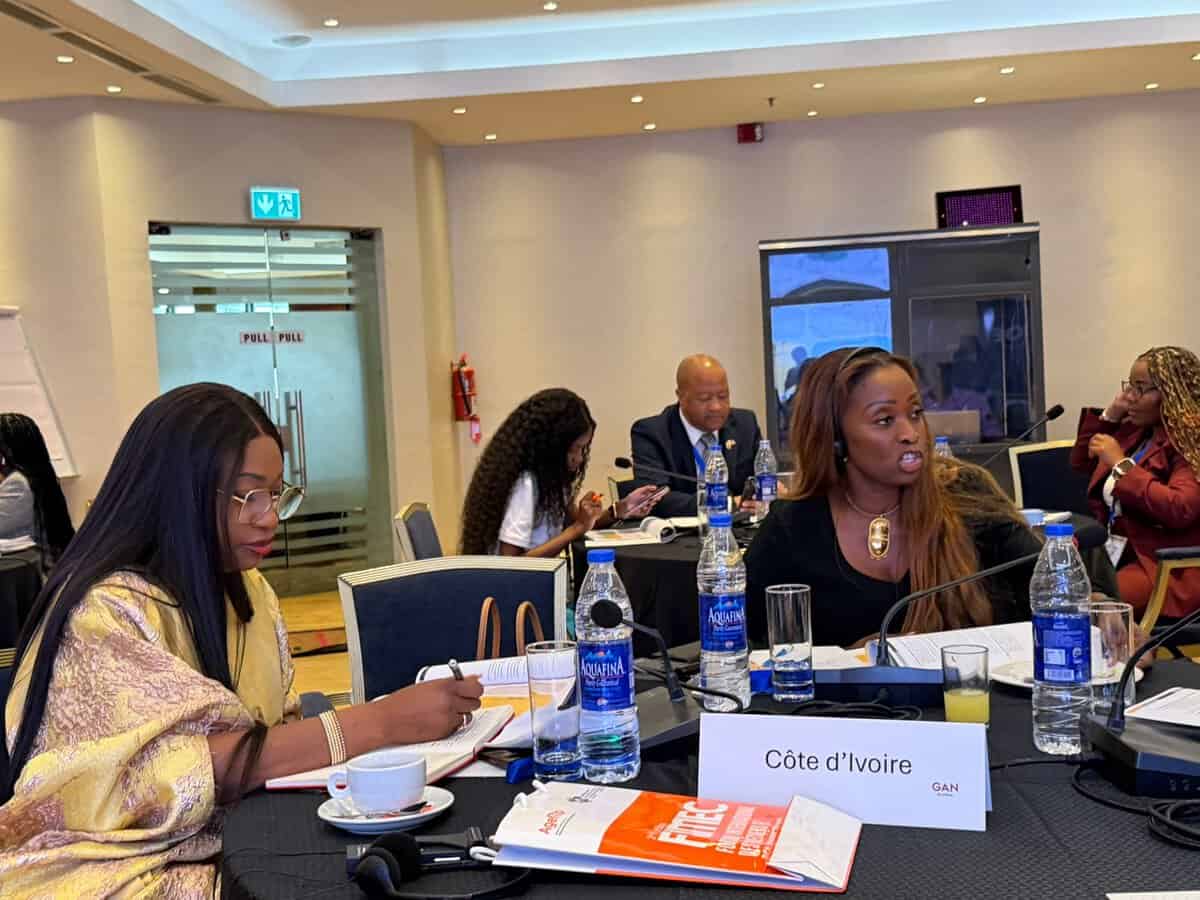
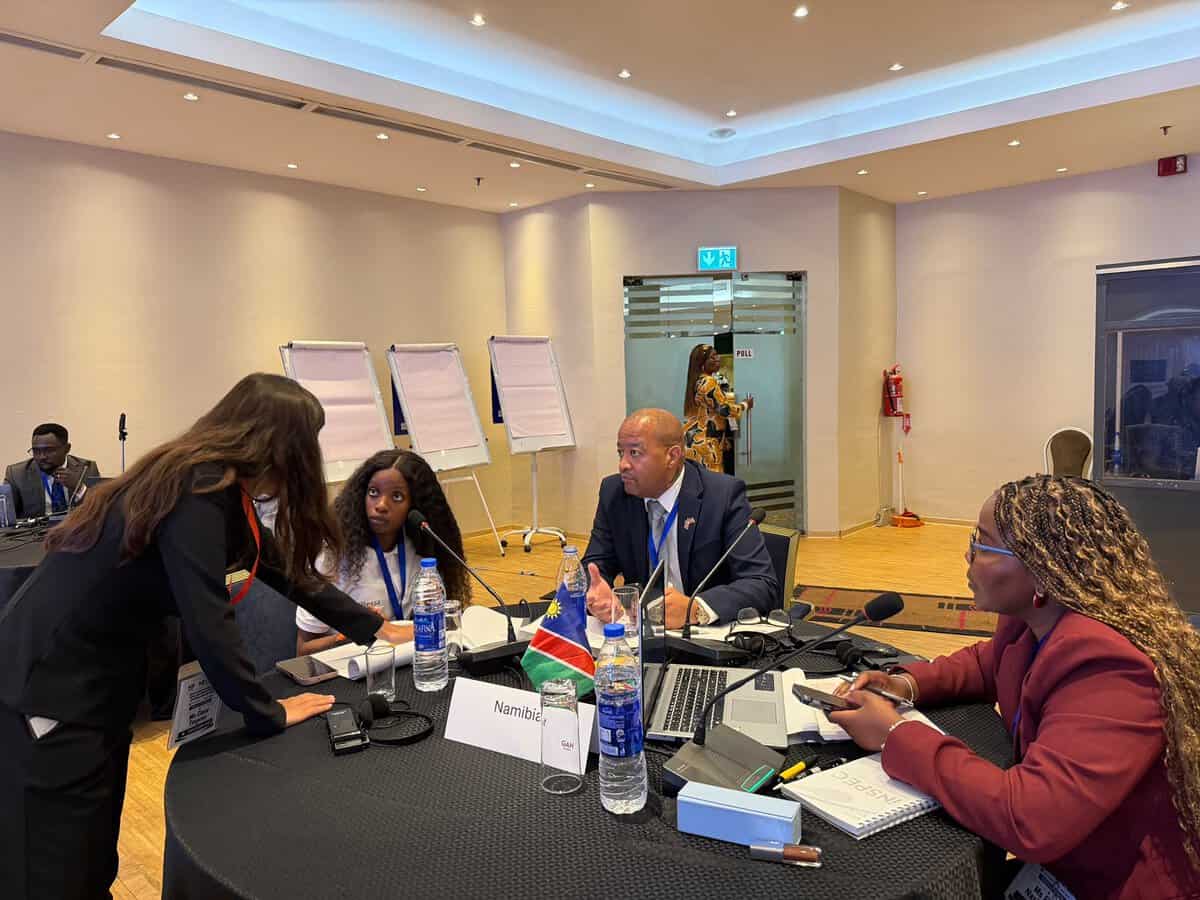
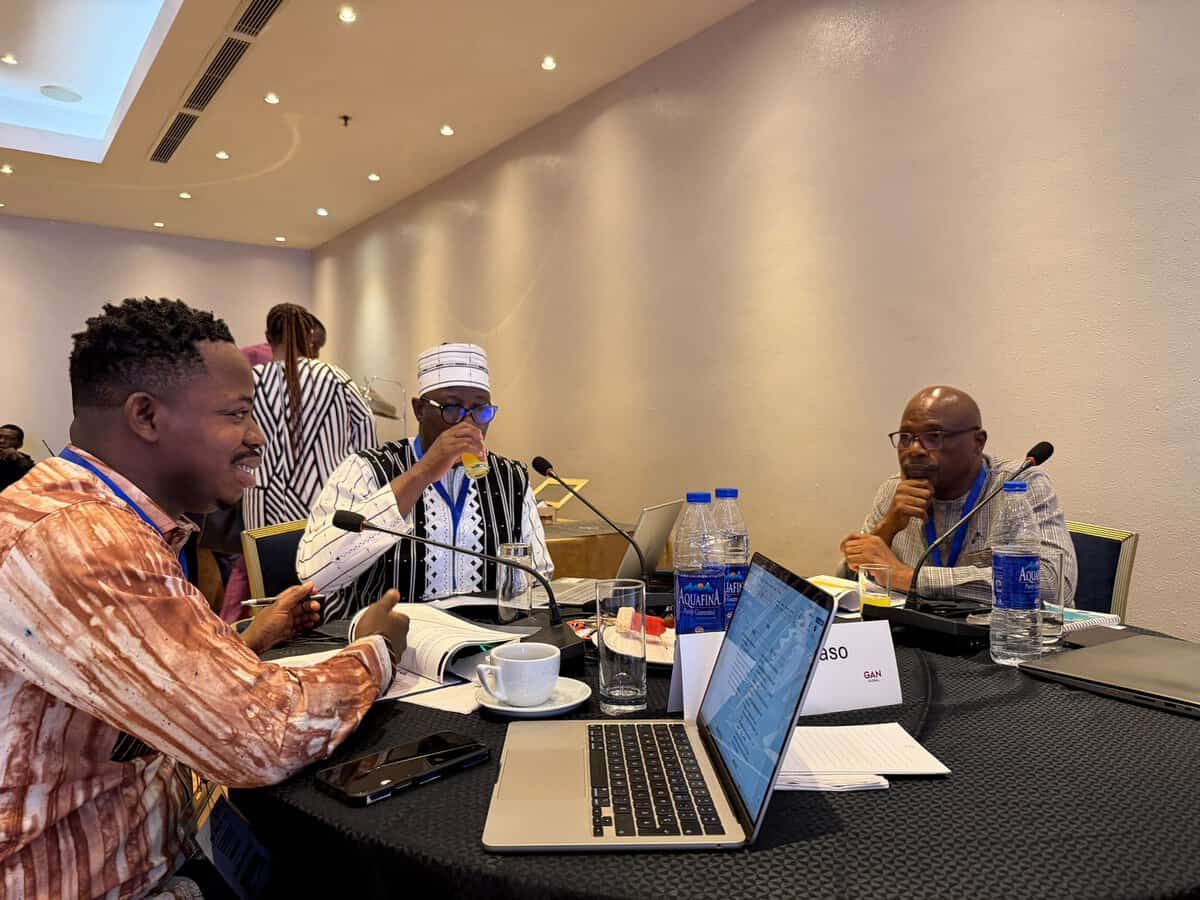
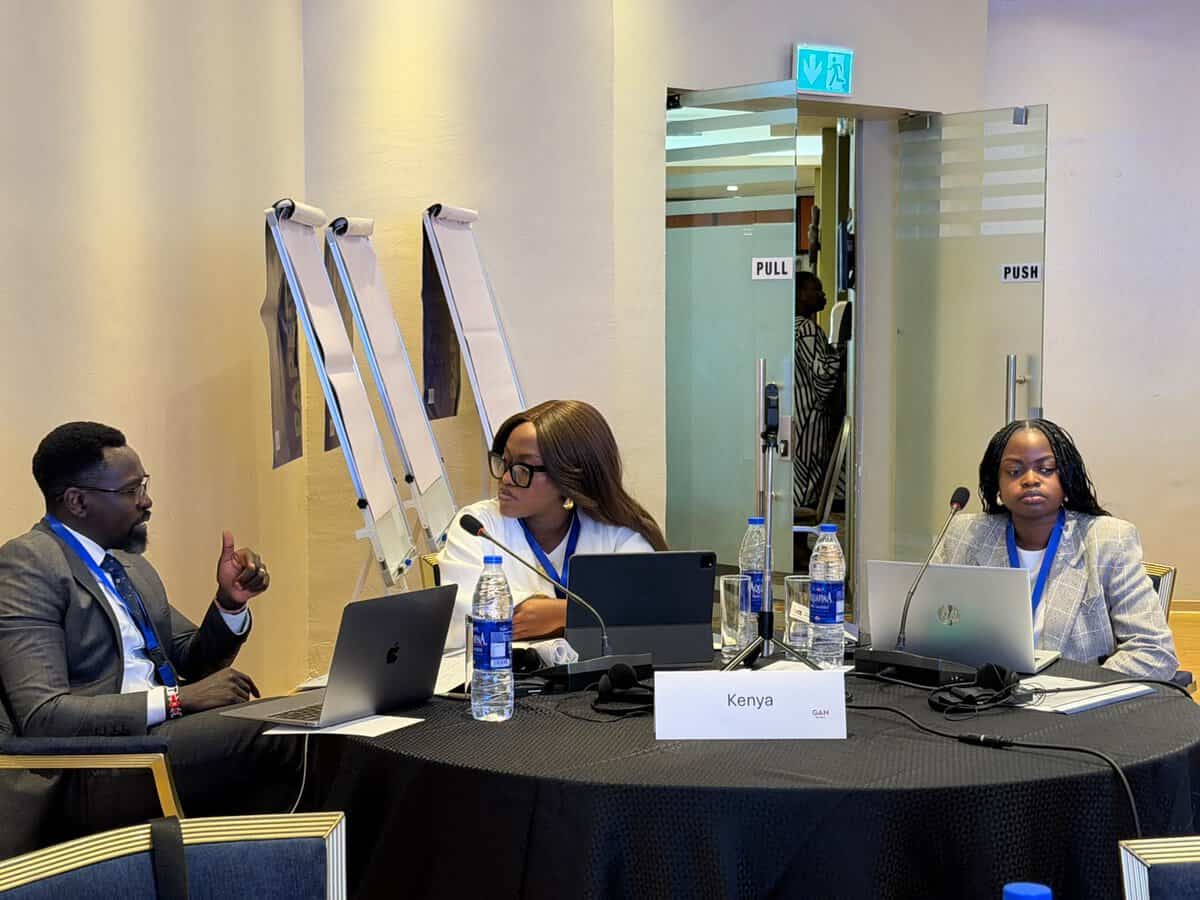
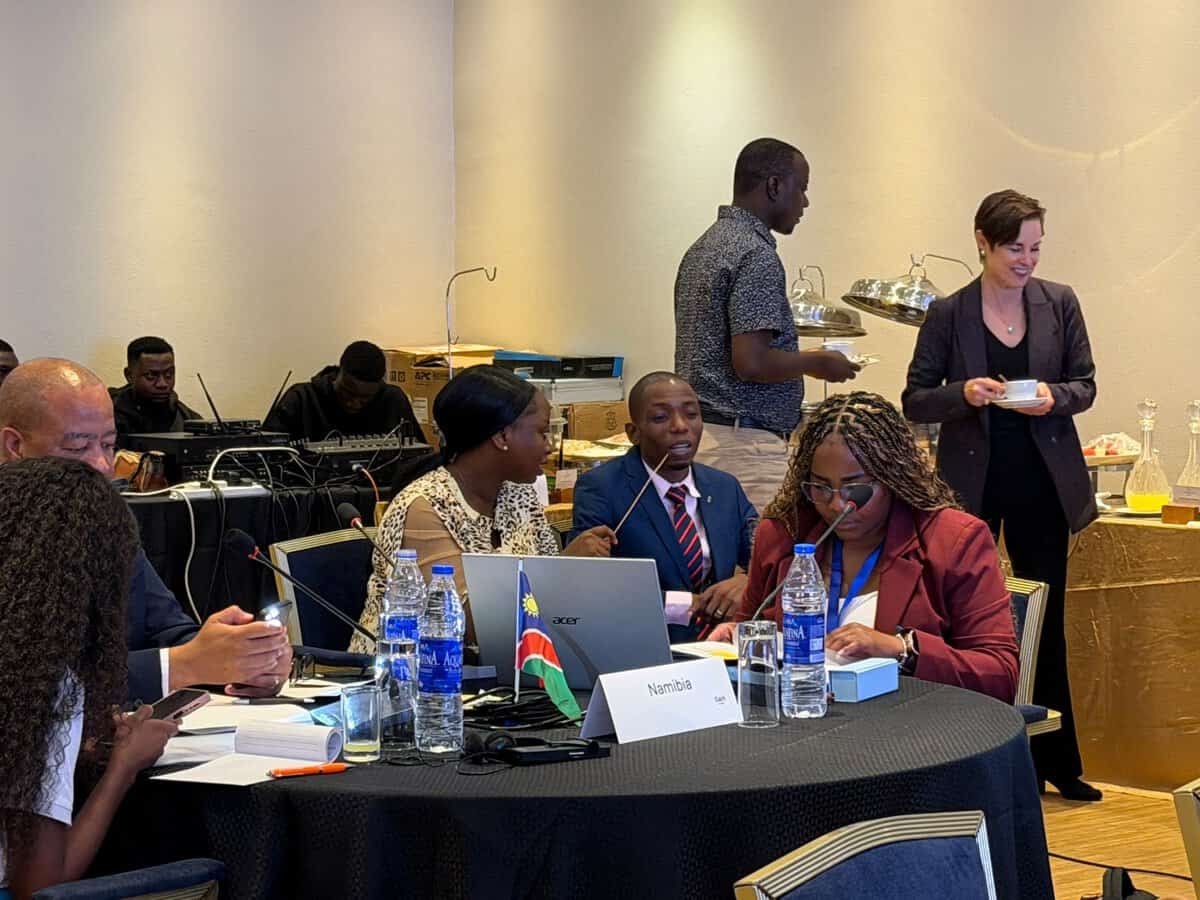
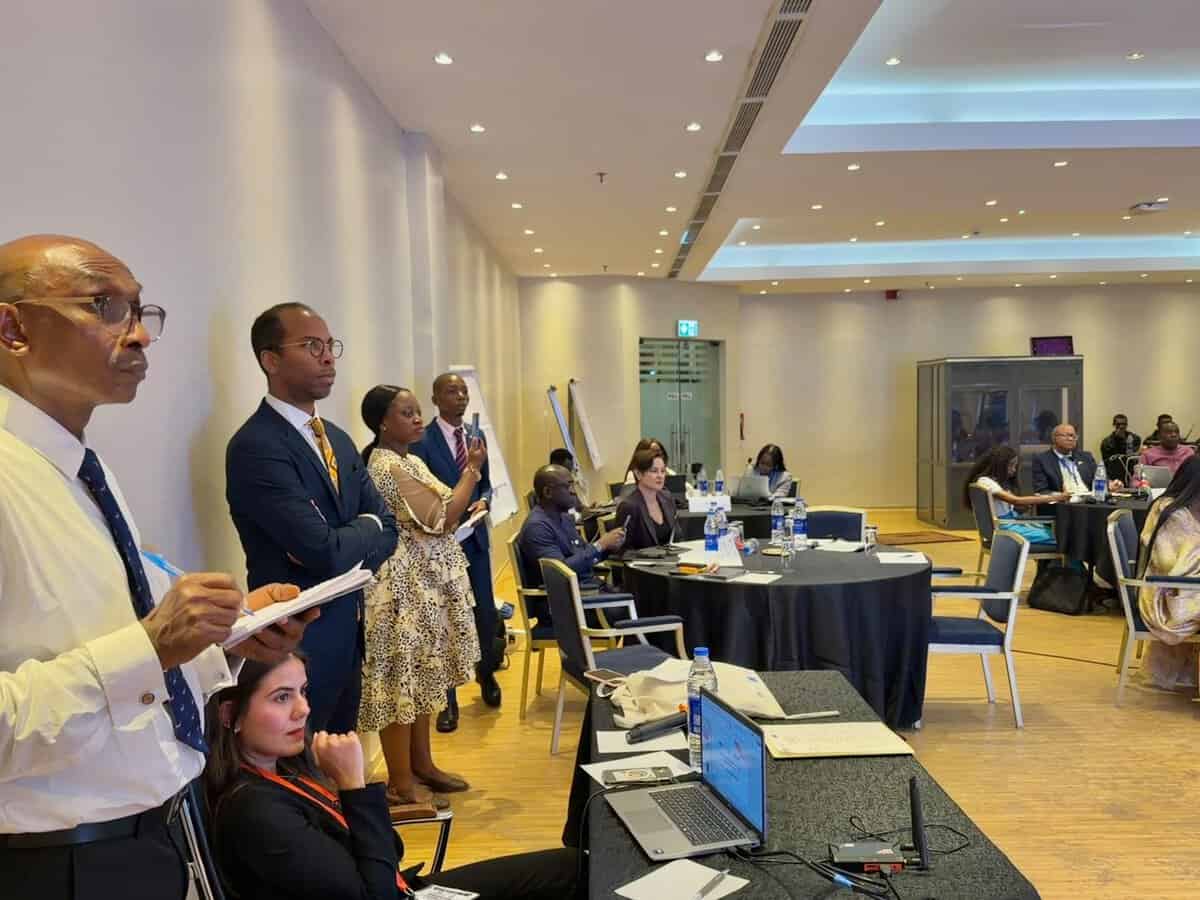
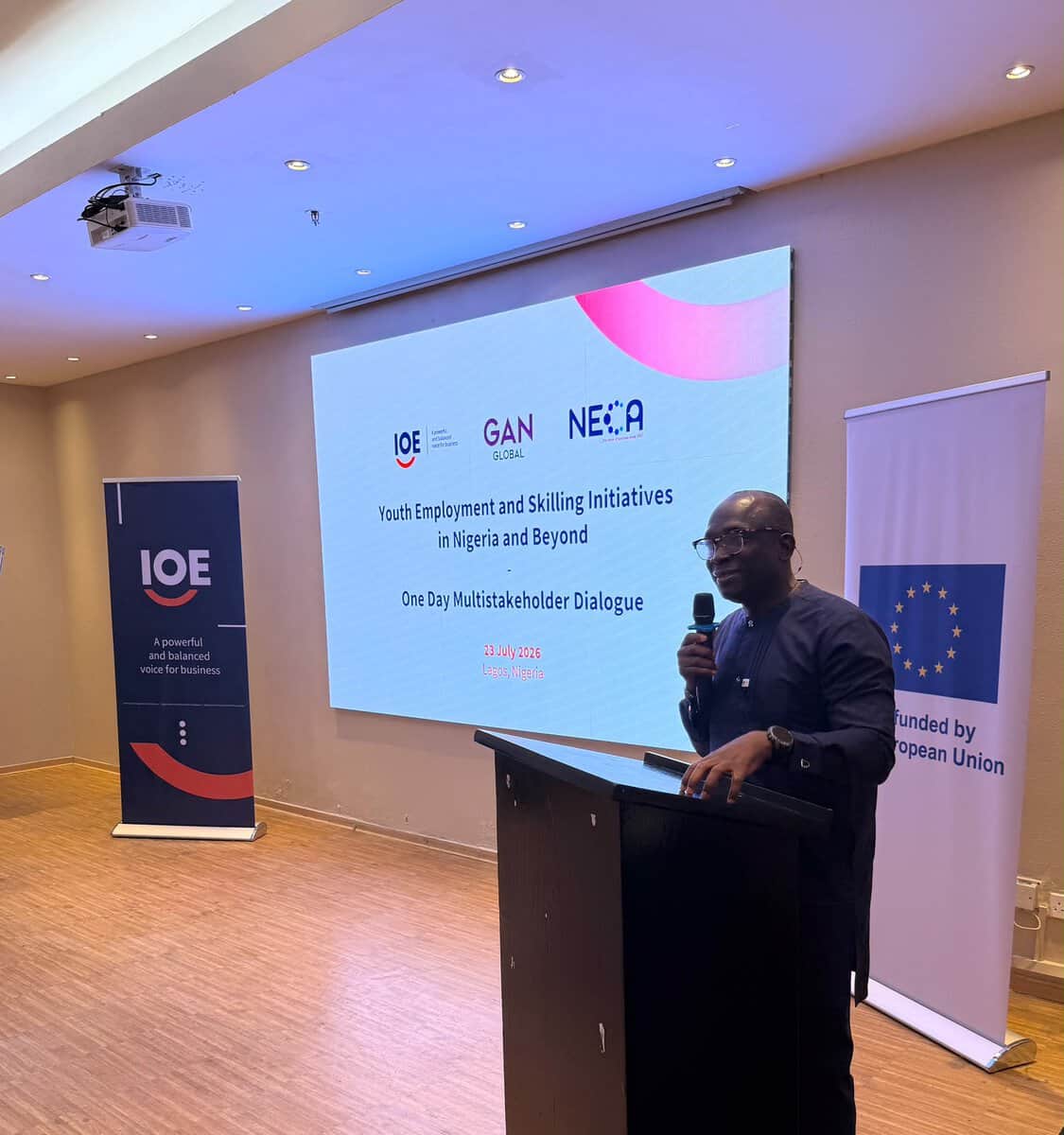
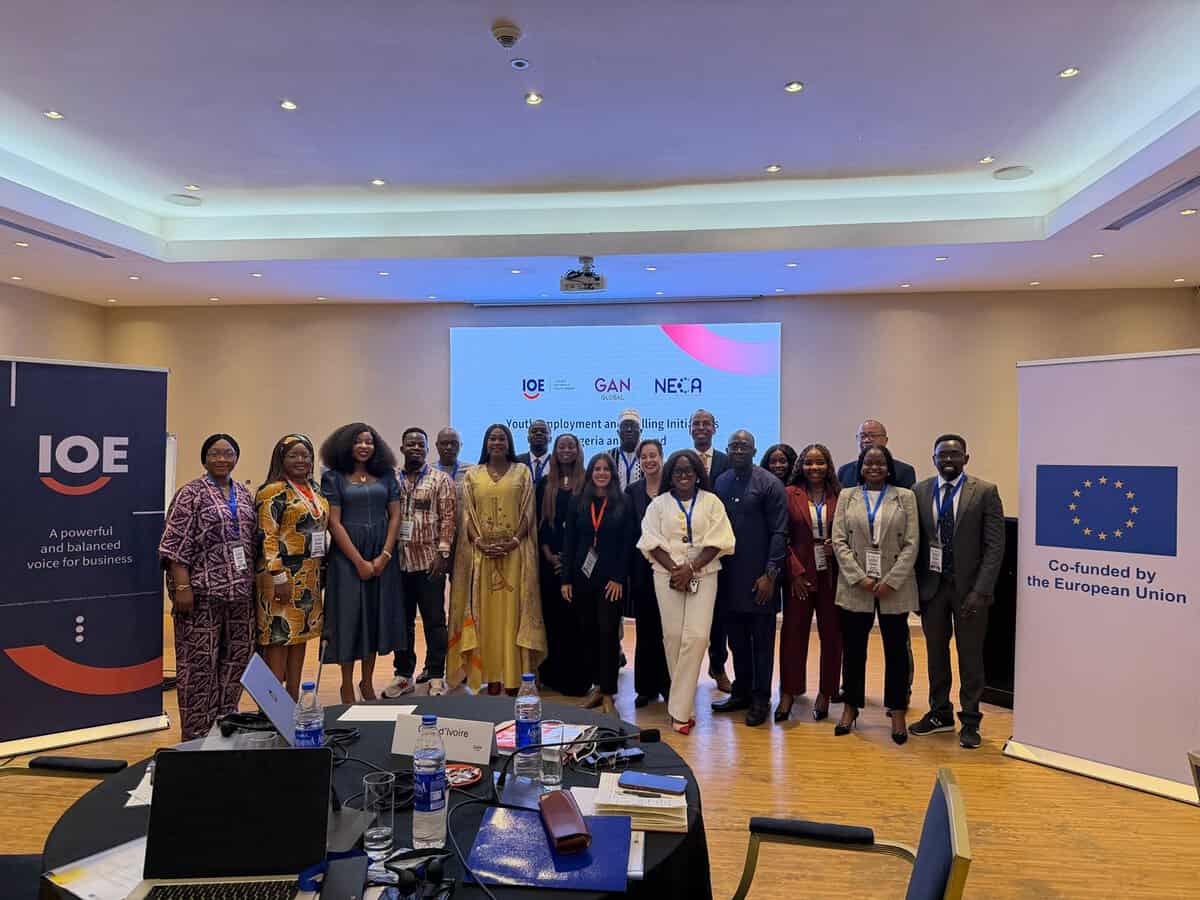
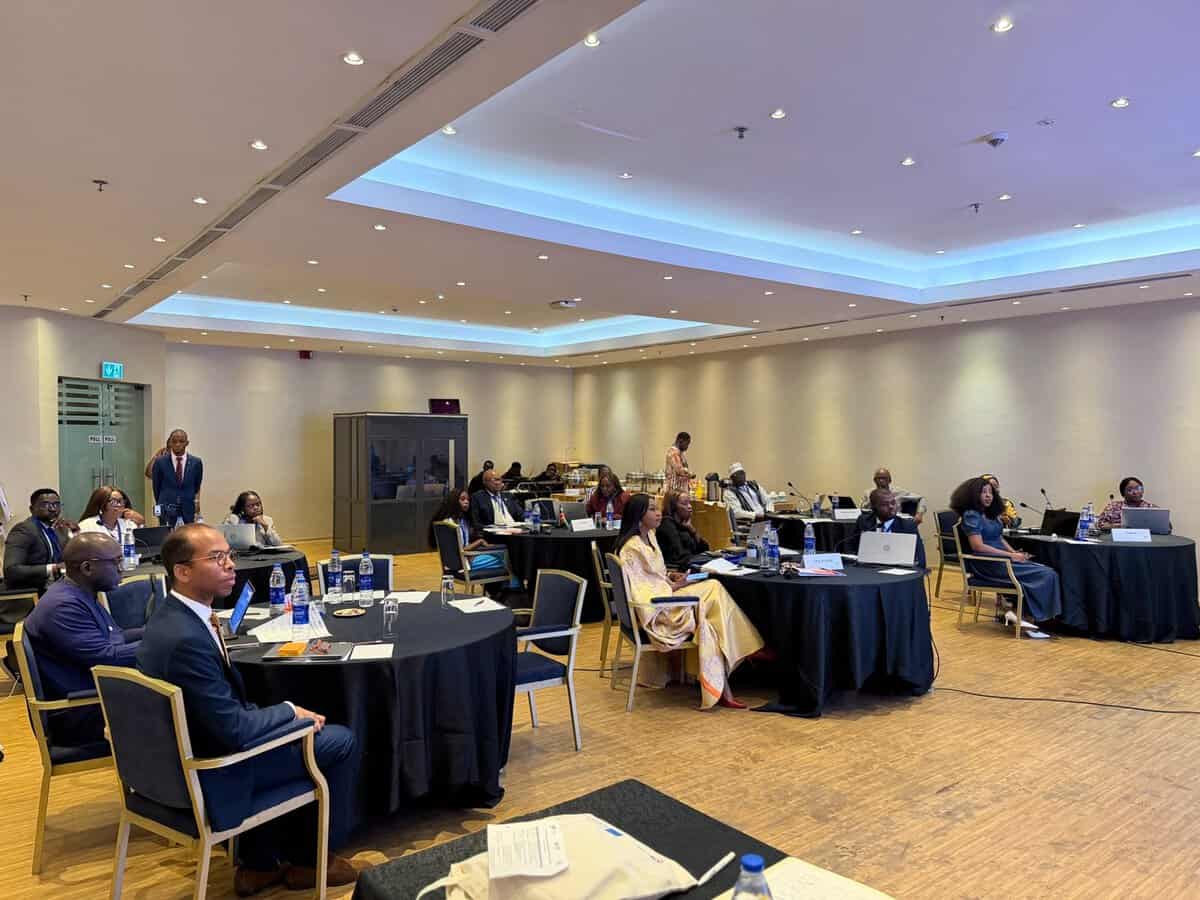
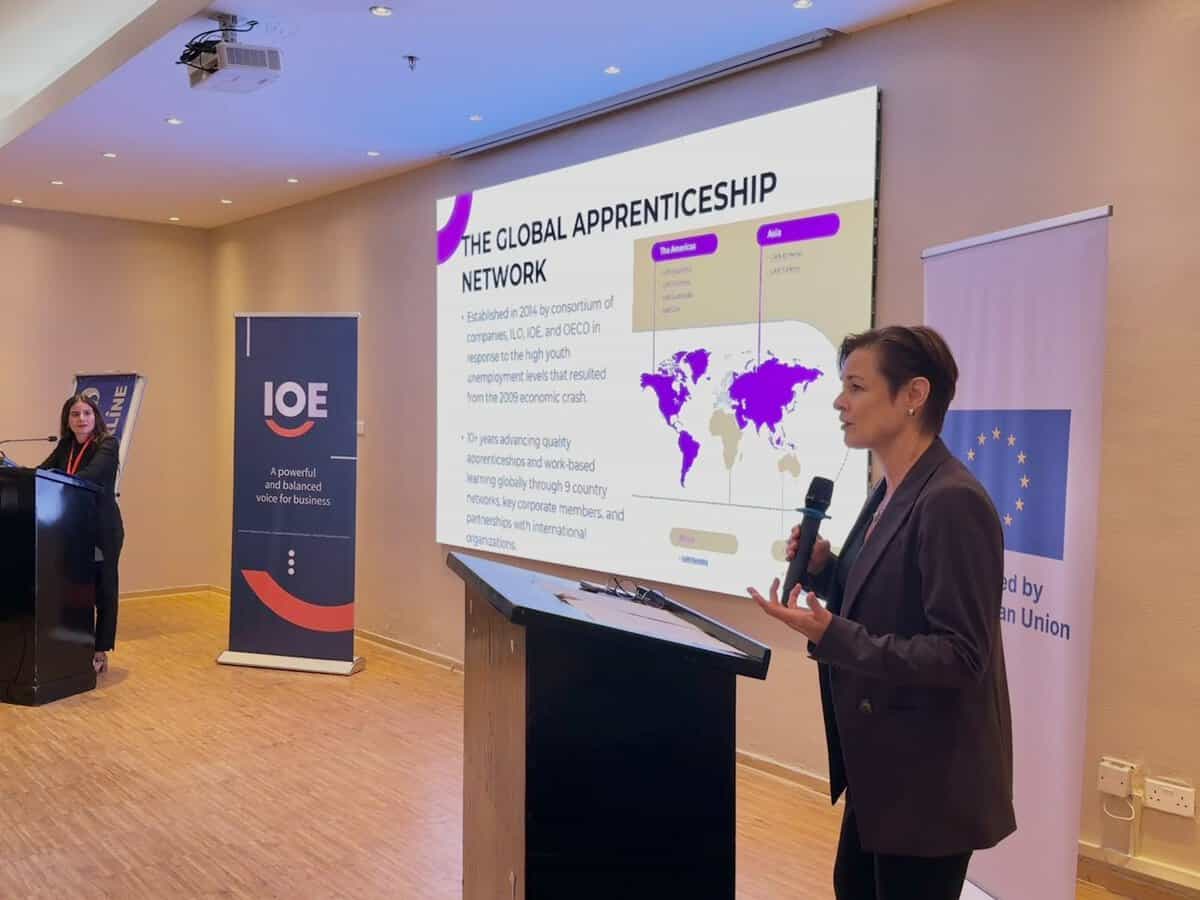
In partnership with the International Organisation of Employers (IOE), GAN Global brought together employer organizations, youth representatives, TVET institutions, and government stakeholders from Nigeria, Kenya, Côte d'Ivoire, Namibia, and Burkina Faso to advance practical solutions for strengthening apprenticeships, work-based learning, and employer engagement in skills development.
+0
representatives from employers, youth organizations, and TVET/government institutions
0
countries collaborated to strengthen youth employment, apprenticeships, and work-based learning
0
national roadmaps to improve skills development and school-to-work transitions
Timeline
2026
Partners & funders
International Organisation of Employers (IOE)
Partner
European Union (EU)
Funder
Nigeria Employers Consultative Association (NECA)
Partner
The challenge
Africa's rapidly growing youth population presents a major opportunity for economic growth, innovation, and workforce development. Yet many young people continue to face barriers to decent work, including limited access to quality training, weak transitions from education to employment, and persistent skills mismatches. Simultaneously, employers often struggle to find job-ready talent. Skills development systems do not always reflect rapidly changing labor market needs, particularly in areas such as digitalization, emerging technologies, and the green economy. At the same time, apprenticeship and work-based learning systems remain fragmented, with limited employer participation, insufficient workplace learning opportunities, and weak connections between training and employment outcomes. Strengthening collaboration between employers, training providers, youth organizations, and policymakers is critical to creating more effective pathways into employment and ensuring that young people acquire the skills required by today's and tomorrow's labor markets.
What we did
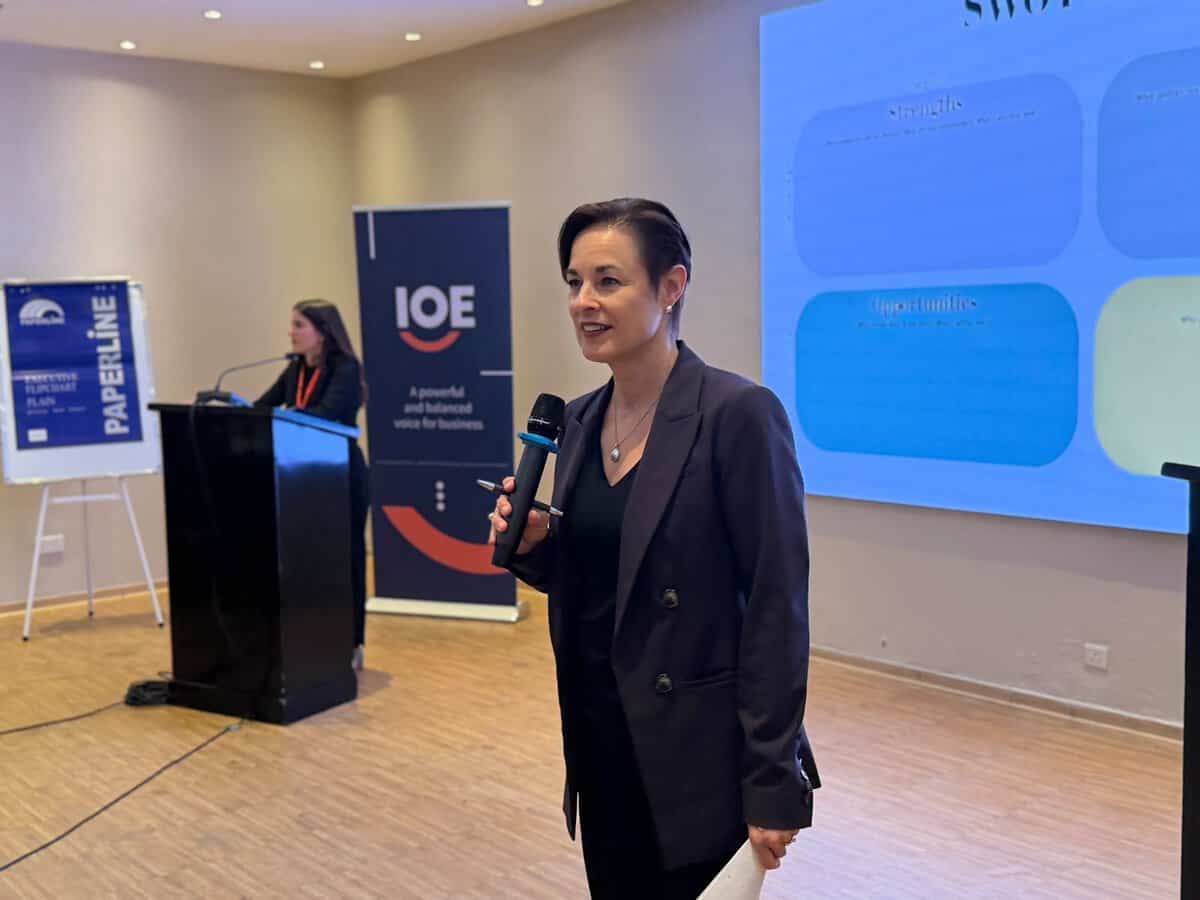
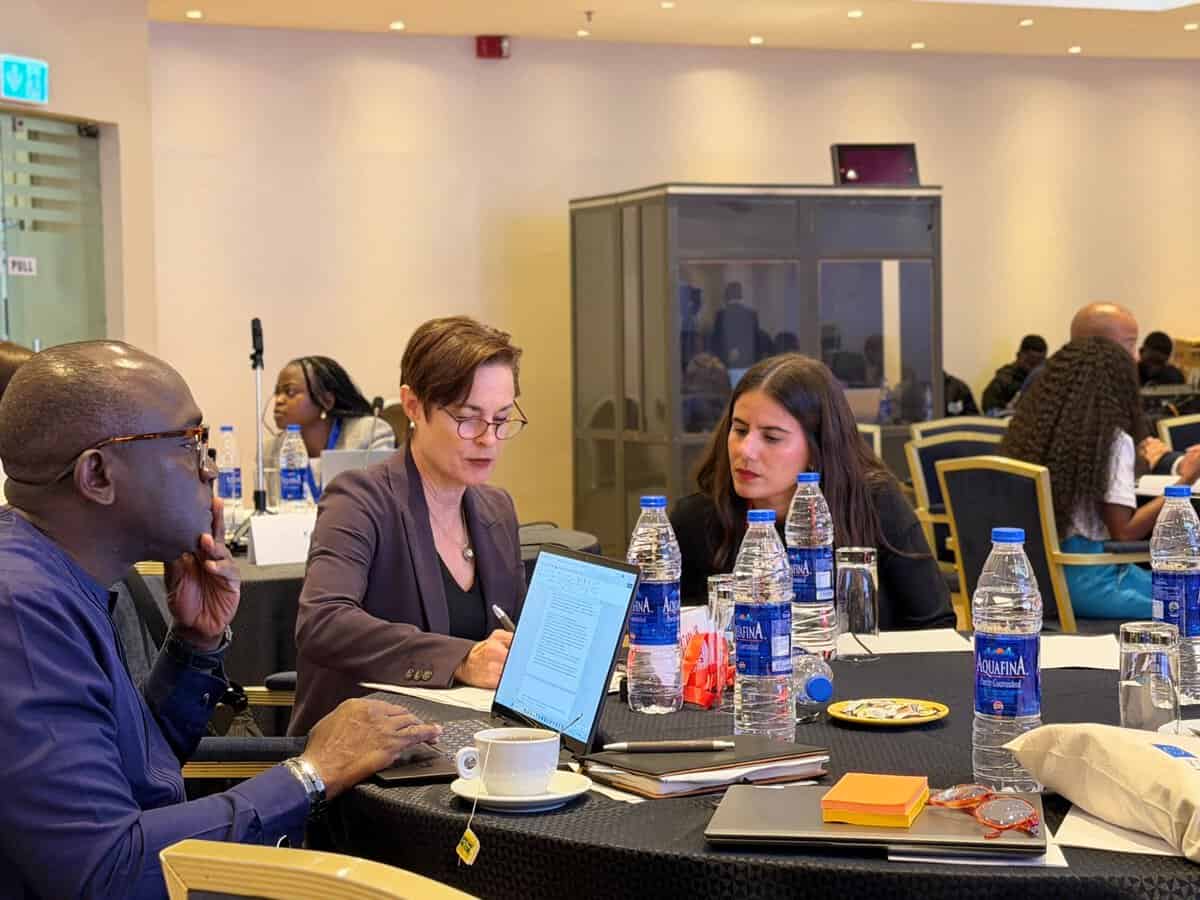
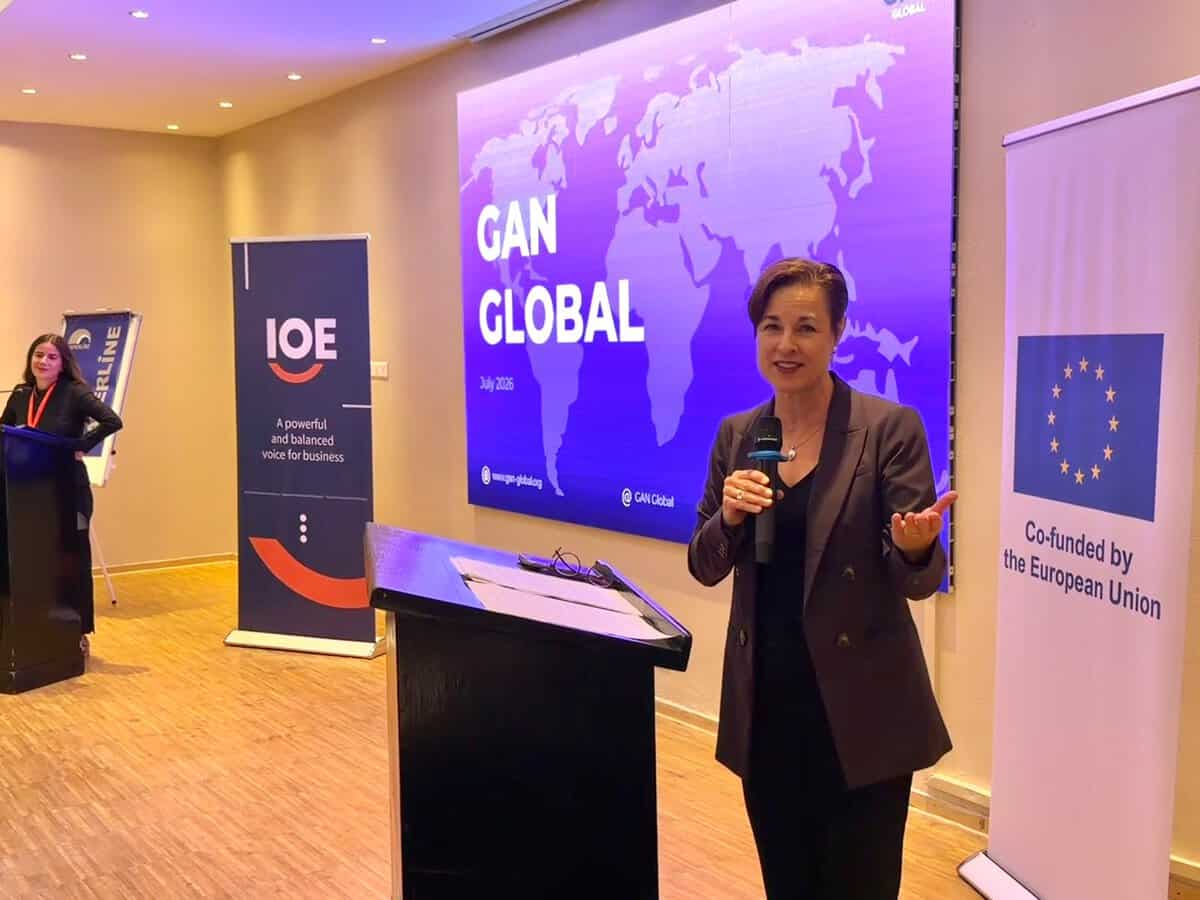
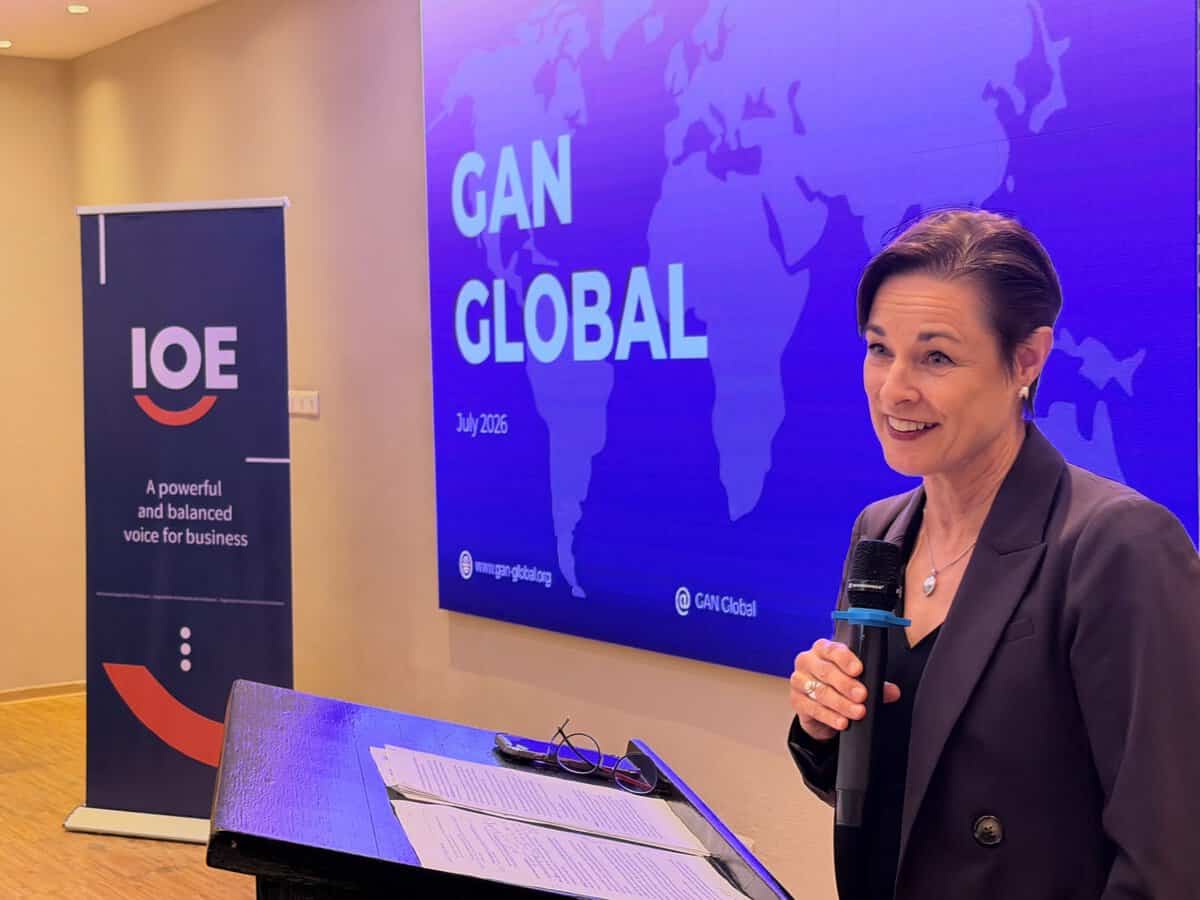
With support from the European Union (EU), GAN Global partnered with the International Organisation of Employers (IOE) and the Nigeria Employers' Consultative Association (NECA) to convene a regional policy lab focused on youth employment, apprenticeships, and work-based learning. The project brought together representatives from employer organizations, youth organizations, TVET institutions, and government agencies from five African countries to exchange experiences, share good practices, and identify practical actions to strengthen skills systems. GAN Global provided technical expertise on quality apprenticeships, employer engagement, and work-based learning, while supporting the development of National Action Plans and a Regional Action Framework focused on improving school-to-work transitions, increasing access to quality apprenticeships, and strengthening employer leadership in skills development.
Outcomes
- Strengthened collaboration between employers, youth organizations, TVET institutions, and governments.
- Promoted employer leadership in curriculum development, workplace training, and skills governance.
- Co-developed five National Action Plans to strengthen youth employment and apprenticeship systems.
- Produced a Regional Action Framework on Youth Employment and Apprenticeships.
- Identified opportunities for regional cooperation on skills recognition, labor market mobility, and apprenticeship development.
- Advanced dialogue on preparing young people for emerging opportunities linked to digitalization, artificial intelligence, and the green economy.
Evidence & Outputs
Media Coverage
Africa must bridge youth skills gap to tackle unemployment – EU, NECA, others
Media Coverage
Rethinking apprenticeship as a panacea for job mismatch
