
Pasantías Laborales Project – Empodera (Alta Verapaz)
A labor insertion initiative in Alta Verapaz providing young people and indigenous women with their first formal work experience. Through two-month in-person internships, the project connects technically trained local talent with the business sector to strengthen employability and economic autonomy.
Timeline
2018 – 2023 (Empodera Main Phase); 2024 – 2025 (GAN Guatemala Monitoring and Consolidation Phase).

Partners & funders
GAN Guatemala
Implementers
Swisscontact
Implementers
Jorge Toruño Foundation
Implementers
Swedish International Development Cooperation Agency (Sida)
Funder
Embassy of Sweden
Funder
Ministry of Labor (SNE)
Strategic Partner
VUMES of Cobán and San Pedro Carchá
Strategic Partner
INTECAP
Strategic Partner
ASIES
Strategic Partner
The challenge
Alta Verapaz has the highest poverty (83.1%) and extreme poverty (53.6%) rates in Guatemala. Young people face critical barriers to the labor market, with lack of prior experience being the primary obstacle to applying their technical skills. This exclusion disproportionately affects the indigenous population (94% of the region) and women, who lack formal intermediation channels and opportunities to generate autonomous income in rural and urban communities.
What we did
In alliance with Swisscontact and the Jorge Toruño Foundation, we implemented an internship methodology based on four strategic pillars:
- Comprehensive Training: We trained over 5,000 young people in high-demand sectors such as tourism, gastronomy, mechanics, and sales.
- Soft Skills Development: We reinforced their profiles with a diploma in soft skills, covering assertive communication, emotional management, and teamwork.
- Business Linkage: We identified partner companies and opportunity areas in Alta Verapaz, facilitating recruitment through interviews and psychometric testing.
- Technical Support: We established a system of shared mentorships, ensuring interns received a stipend, uniforms, and bio-safety kits.
- Institutionalization: We formalized relationships through cooperation agreements and utilized digital tools like “Alta Verapaz Digital” to enhance technological competencies.
Outcomes
- Labor intermediation was facilitated for nearly 11,000 young people through job fairs and municipal offices (VUMES).
- 88% of those trained were women, achieving significant progress in their economic empowerment and decision-making capacity.
- The creation and maintenance of approximately 1,900 businesses led predominantly by youth and women were promoted.
- 700 technicians and health promoters were trained and continue to work in 17 municipalities.
- Over 200,000 people were sensitized on reproductive health and violence prevention.
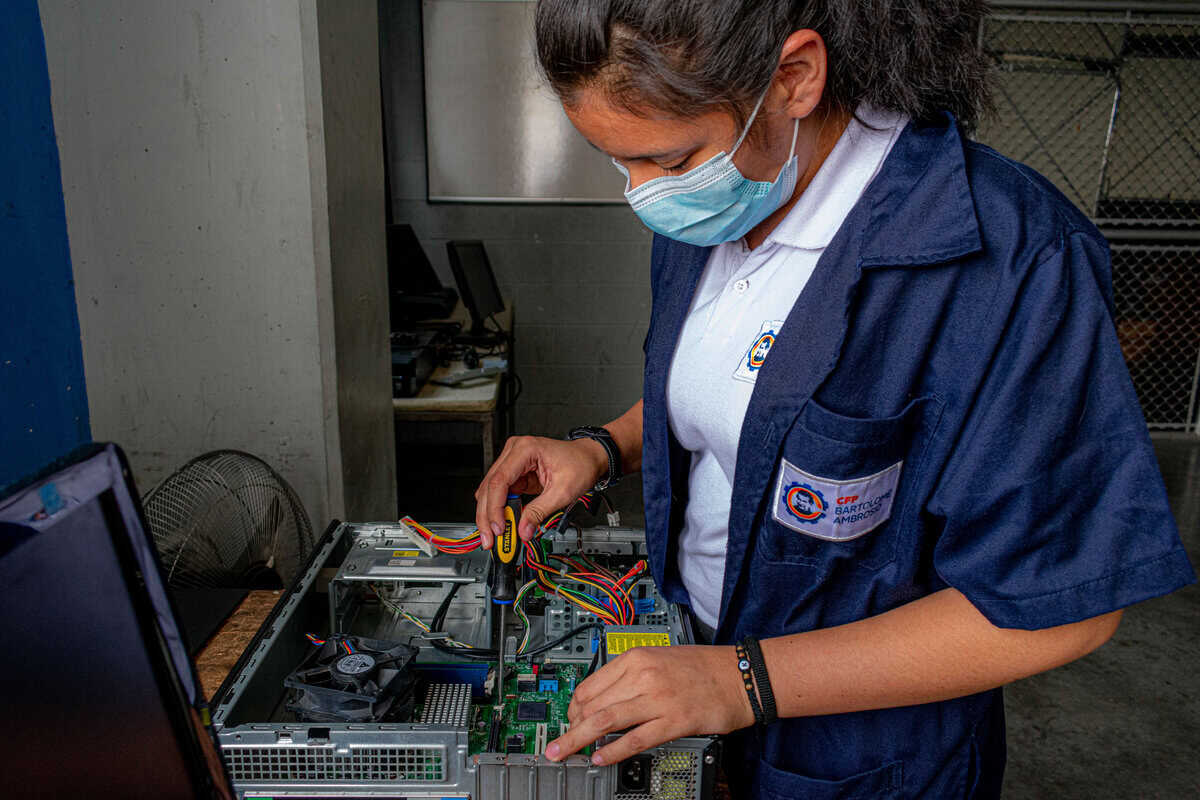
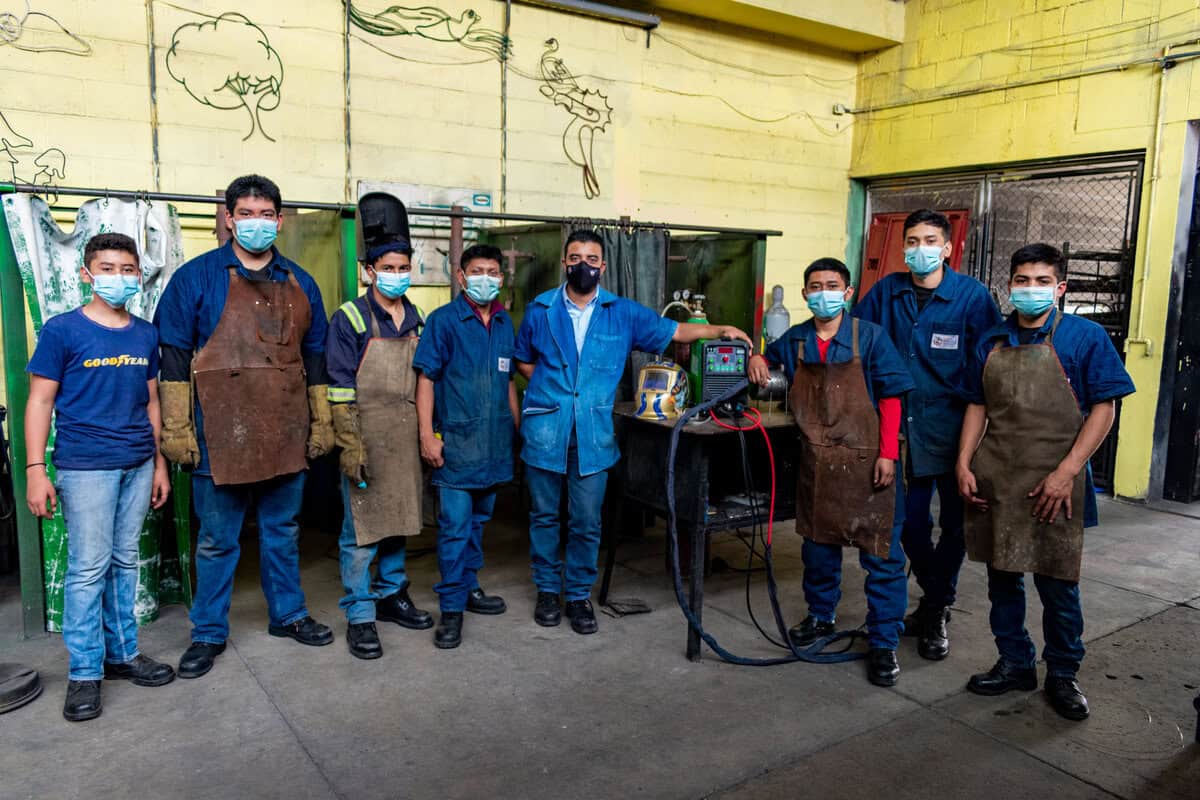
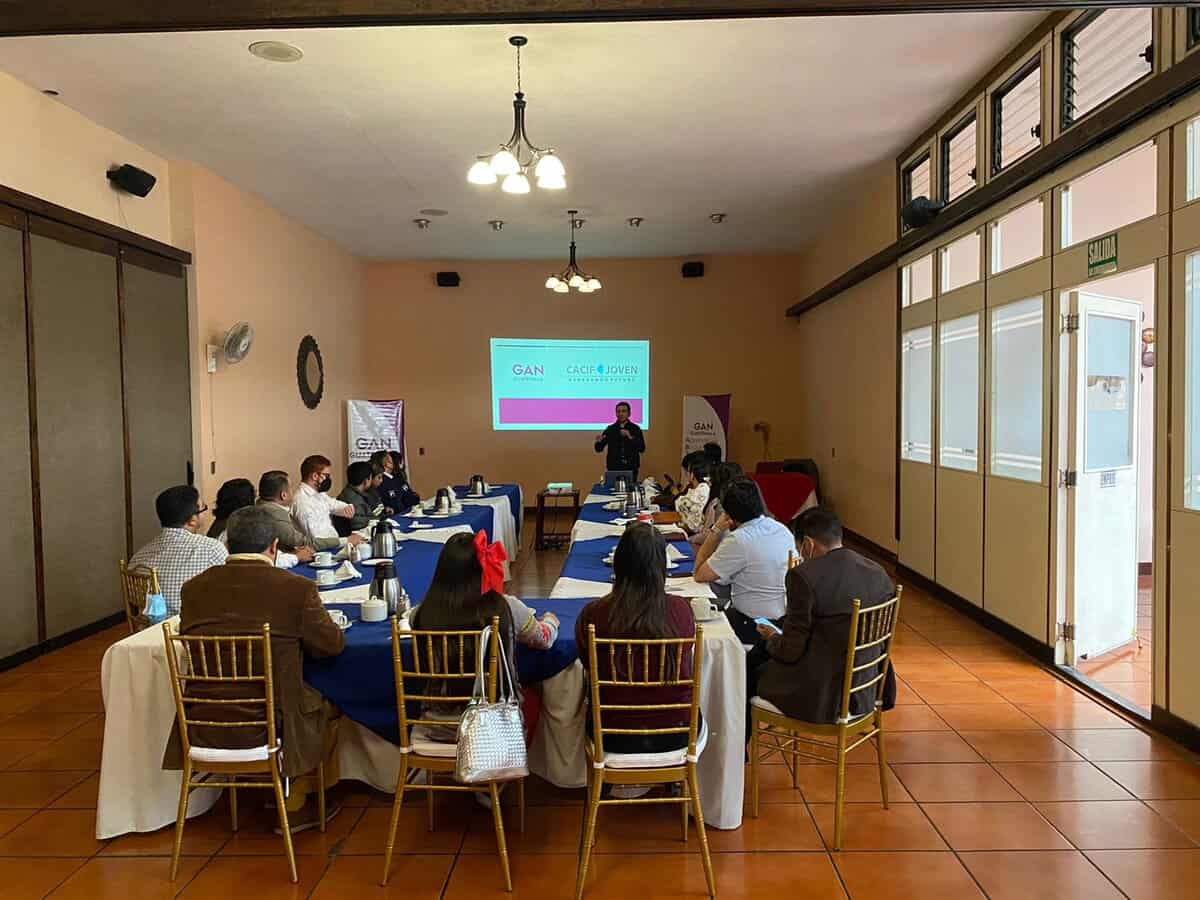
Evidence & Outputs
Video
Project Impact
Video
Training for Economic Growth
Video
Technical Education and Training

Thanks to Swisscontact, we had the opportunity to train in barista skills and soft skills; today I feel capable of working in my own business.
Delia F.
Young beneficiary from Cobán, Guatemala
Thanks to this project, I can now say that I have a job that I am very excited about, and I enjoy what I do. Thanks to the support of my mentor and colleagues, who warmly welcomed me, I am now motivated to study Legal and Social Sciences in the future.

Stephanie
Apprentice at Cooperativa Cobán, Guatemala
I joined the program due to the lack of employment opportunities for us women. Through this program and the attentive mentoring I received, I was able to put into practice all the knowledge I gained in the training sessions, which helped me perform better at For Ever Café.

Sara
Apprentice at For Ever Café, Guatemala
For our company, apprenticeships have generated labor stability and low turnover, as well as contributed to the development and growth of the region.

Victoria
Commercial Coordinator at Grupo Empresarial García, Guatemala
I firmly believe that perseverance, commitment, the desire for self-improvement, and, above all, well-founded values are the keys to success. These young individuals have been willing to fight for their dreams, and Swisscontact was the perfect platform to propel them forward.

Aminta
Technical specialist in technical training and labor insertion, Guatemala
Apprenticeships are a learning modality that transforms lives by bringing them closer to a real work environment and helping them develop the necessary skills required by the current job market. Work-based learning will develop both technical and soft skills to enhance employability.

Karla
Labor Insertion Specialist, Guatemala
Work-based learning adapts to the real needs of the labor market, ensuring the transfer and relevance of technical and soft skills required by the business sector. It provides practical experience in the workplace, which is key to effective learning and the enhancement of employability.

Victor
Project Lead, Guatemala
The opportunity I got was life-changing. The trainers took the time to explain things I didn’t understand. My life has changed so much since I started my training program.

Jakelyn
CSP Barista Skills-Intermediate, Teco Coffee, Guatemala
